Cebu Street Food After Dark Pungko Pungko and the Ginabot Truth
A practical guide to Cebu Street Food After Dark Pungko Pungko and the Ginabot Truth.
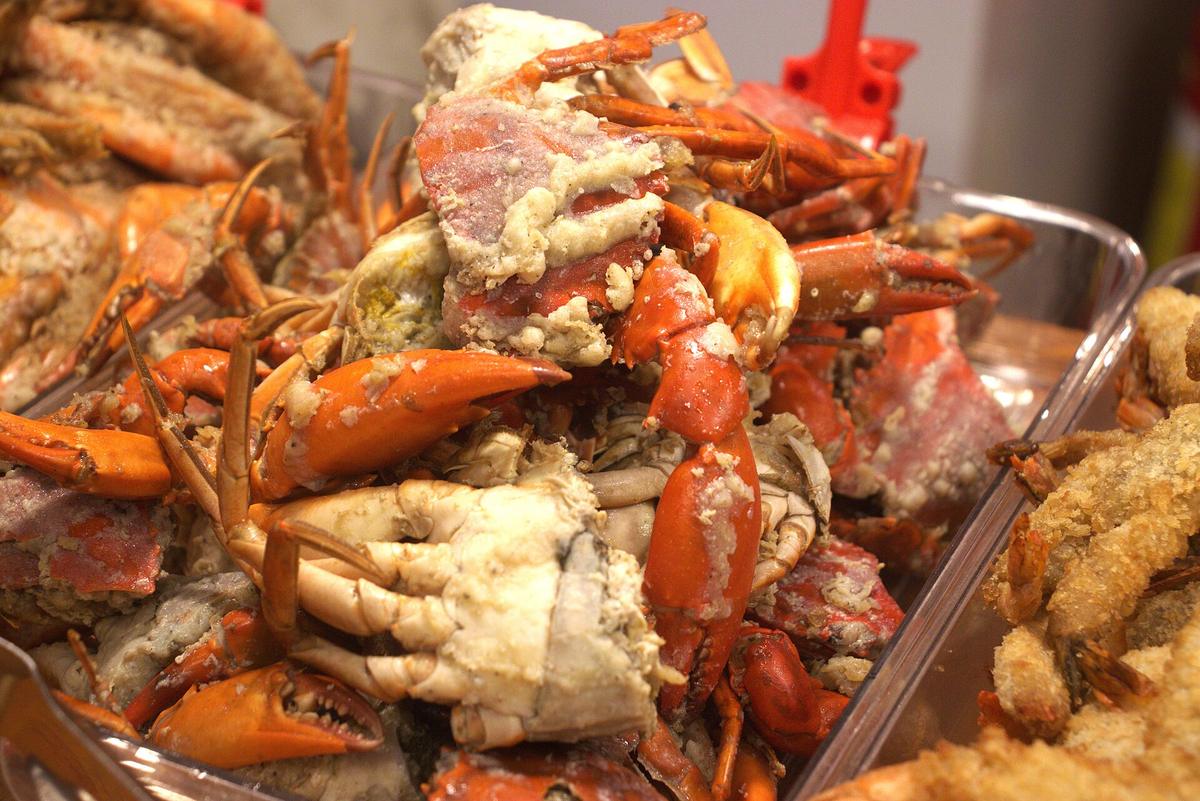

What Ginabot Actually Is
Ginabot is the Cebuano name for deep-fried pork mesentery, the ruffled fatty tissue attached to the intestines. Battered and fried until golden and crispy, it is Cebu's version of what other regions call chicharon bulaklak. The result is a crunchy, richly savoury bite that carries the distinct flavour of pork fat rendered at high heat. It is almost never eaten alone. The standard accompaniment is puso, rice woven and steamed inside a pouch of palm leaves, which hangs in clusters from stall frames and doubles as both carbohydrate and edible utensil. A dipping sauce of vinegar, soy sauce, crushed chillies and diced onions cuts through the fat, adding sharpness and heat. Health authorities acknowledge that ginabot is high in cholesterol and advise eating it in moderation, a point worth keeping in mind when a second helping looks tempting.
The Pungko-Pungko Setup
The word pungko comes from the Bisaya verb meaning to squat or sit low, and that physical posture defines the experience. A pungko-pungko is a roadside eatery where customers sit on low benches or stools pulled up to small tables, often set right on the pavement. There is no table service and no menu board. Instead, an array of fried food sits in shallow pans or on trays, and you point at what you want. Eating is done with your hands, puso torn open and pressed into the sauce, ginabot pinched between fingers. The informality is the point. These spots operate in the evening and into the night, their presence announced by the glow of a single bulb and the sound of oil bubbling in a wok. Pungko-pungko is not a single dish but a format, and ginabot is its most recognisable star.
Where to Find a Well-Known Spot
One of the most popular pungko-pungko addresses in Cebu City sits behind Fuente Osmeña Circle. Pungko-Pungko sa Fuente, located at 52-A J. Llorente Street, has earned a reputation strong enough to receive SunStar's Best of Cebu award for Best Pungko-Pungko Place. Its central location makes it a straightforward stop if you are already moving through the downtown area. Because operating hours can shift, checking the establishment's official Facebook page before heading out is a practical step. Prices for ginabot and other items also change with ingredient costs, so the same page is the most reliable place to see current rates. No other pungko-pungko stall in the research carries the same documented recognition, which makes this a sensible starting point for a visitor who wants a known quantity before exploring further.
The Colon Night Market Option
A different way to encounter Cebu street food is the Colon Night Market, which operates seasonally on Colon Street in downtown Cebu City. For the 2026 season, the market runs from 1 September 2026 to 31 January 2027, with traffic closures in place daily from 6:30 PM to 2:00 AM. The market lines the street with food stalls selling barbecues, pungko-pungko items, tuslob buwa, seafood and lechon, alongside retail stalls for clothing and accessories. Because the exact start and end dates shift annually based on city government permits, anyone planning a trip outside the confirmed 2026 window should check the Colon Night Market's official Facebook page or announcements from the Cebu City Transportation Office for current-year schedules. The market concentrates multiple vendors in one walkable stretch, which removes the need to hunt for individual stalls across the city.
How Street Food Is Regulated
Street food vending in the Philippines sits inside a layered regulatory framework. At the national level, Presidential Decree No. 856, the Code on Sanitation, restricts ambulant food vendors to selling only bottled drinks, biscuits, confectioneries and pre-packed foods, and explicitly prohibits selling food that requires utensils. Republic Act No. 10611, the Food Safety Act of 2013, places the principal responsibility for regulating street food sale, including ambulant vending, on Local Government Units within their territorial jurisdiction. In Cebu City, the City Health Department issues sanitary permits for food establishments and health certificates for food handlers, which require a stool culture, stool examination and chest PA X-ray. A Department of Health Central Visayas medical officer stated in October 2024 that street food vendors should hold at least a barangay clearance, while food stall owners must also secure sanitary permits, business permits and health cards.
The Gap Between Rules and Reality
The regulatory structure is clear on paper, but enforcement faces practical limits. DOH Central Visayas has acknowledged that the number of sanitation inspectors in LGUs cannot accommodate the high number of street food vendors operating at any given time. Vendors also move locations frequently, which makes regulatory tracking difficult. This does not mean every stall is unsafe, but it does mean that the presence of a health card or permit is not something a customer can assume. The advice that follows from the research is to observe a stall before ordering. Look for whether the cooking oil appears fresh, whether raw and cooked items are kept separate, and whether the vendor handles food and money with the same bare hands. These observations are not guarantees, but they are the practical tools available when official oversight is stretched thin.
Making a Personal Safety Check
Given the enforcement gap, a short mental checklist can help you decide where to eat. First, check the oil. If it is dark, smoking heavily or smells acrid, the stall is likely reusing it beyond a reasonable point. Second, watch the vendor's hands. A vendor who uses tongs or wears gloves for food and handles cash separately is demonstrating more care than one who does not. Third, look at the food turnover. A stall with a steady stream of local customers is cycling through its inventory faster, which reduces the time fried food sits exposed. Fourth, note the surroundings. A stall set up next to an open drain or with no covering from street dust presents a higher contamination risk. None of these observations replaces a health inspection, but together they form a reasonable basis for a personal judgement call. If a stall does not pass your own visual test, walking to the next one is always an option in a city with no shortage of pungko-pungko.
Sources and verification
- sunstar.com.ph — Research source checked for this guide
- mb.com.ph — Research source checked for this guide
- sugbo.ph — Research source checked for this guide
- elibrary.judiciary.gov.ph — Research source checked for this guide
- lawphil.net — Research source checked for this guide
- cebucity.gov.ph — Research source checked for this guide
Read next
-
 Where to Eat in Cebu The List I Actually Give Friends
The unsponsored, specific Cebu City restaurant list I text to friends, organized by craving and situation rather than neighborhood.
-
 Solo Travel in the Philippines What It Is Actually Like Day by Day
Solo travel in the Philippines is not all palm trees and new friends. Here is the honest daily reality, from eating alone in Cebu City to the kindness of strangers on a long bus ride.
-
 When to Come to the Philippines the Dry Season and What Typhoon Season Means
The Philippines has two seasons on paper and many more in practice. Here is what typhoon season actually means for your trip, and when the Cebu weather really delivers.
-
 Getting Around the Philippines Ferries Budget Flights and the Jeepney Truth
From overnight ferries to budget flight roulette and the jeepney routes you actually need, here is how moving between Philippine islands really works.
-
 What the Philippines Costs From Someone Who Actually Lives Here
Philippines travel budgets online swing wildly. Here is what daily life actually costs, from carinderia meals to inter-island ferries, priced by someone who lives here.
-
 Cebu Lechon Where Locals Actually Buy It and How to Order
A practical guide to Cebu Lechon Where Locals Actually Buy It and How to Order.
-
 Korean Restaurants in Cebu Why There Are So Many and Where to Go
Cebu City's Korean restaurant density is no accident. Here's the backstory and the specific spots worth your money.
-
 Cebuano Chinese Restaurants The Old Ones and What to Order
The century-old Cebuano Chinese restaurants in Cebu City that define the city's palate, and exactly what to order in each one.
-
 Eating Well in Cebu City for Very Little Money
Where to eat memorably in Cebu City on a tight budget, from pungko-pungko stalls to the best carinderias near the universities.