Cebu City Cheap Eats That Do Not Feel Like Compromise
Where to eat memorably in Cebu City on a tight budget, from pungko-pungko stalls to the best carinderias near the universities.

The Cebu City Carinderia Price Ceiling
For a filling, safe, and delicious meal in Cebu City, spend no more than PHP 85. That gets you a one viand carinderia meal with rice and free soup. Anything above that takes you into grilled meat territory at Larsian sa Fuente, where your total lands between PHP 150 and PHP 300. The goal is not to find the cheapest thing you can choke down. It is to eat what Cebuanos eat every day, at the prices they actually pay. Here is how to do that without getting sick, getting ripped off, or eating something that sat out too long.
Carinderias: the Everyday Lunch Economy
Carinderias are the backbone of Cebu City's food system. These steam table eateries serve pre cooked dishes in bain marie trays. You point, they plate. The Cebuano word for “this one” is “kani.” To ask the price, say “tagpila ni?” For takeaway, request “baluton.” The system works because it is fast and the prices are fixed.
What You Will Pay and How to Order
In 2025, a one viand meal with rice cost PHP 55 to 85. A two viand meal ran PHP 80 to 130. These prices include a ladle of broth from the soup pot, which is free. Do not skip it. The soup stretches the meal and adds liquid your body needs in the tropical heat.
Carinderias cluster around universities, hospitals, and market districts. The stalls in these areas turn over their food fast because the customers are students and workers on a short lunch break. That turnover is your best safety mechanism. A carinderia that is full at noon is doing something right. A carinderia with empty tables at 12:30 is selling food that has been sitting since 10:00. Do not eat there.
How to Spot Food You Should Skip
Look at the trays, not the menu. If the sauce on any dish has congealed or the oil has separated from the gravy, that tray has been out past the safe window. Walk to the next stall. The difference between a good carinderia and a bad one is rarely the recipe. It is the speed at which customers clear the trays.
Puso: The Portable Starch
Puso is rice steamed inside a woven coconut leaf pouch. It costs PHP 5 to 10 per piece and comes in bundles of 5 to 10, hung on wooden racks. The woven casing keeps the rice from spoiling for hours, which is why puso is the standard partner for street grilled meat. When you buy puso from a stall, squeeze one pouch. If the leaf feels slimy or the rice smells sour, the batch is day old stock. Reject it.
Larsian Sa Fuente: the Barbecue Market Rebuild
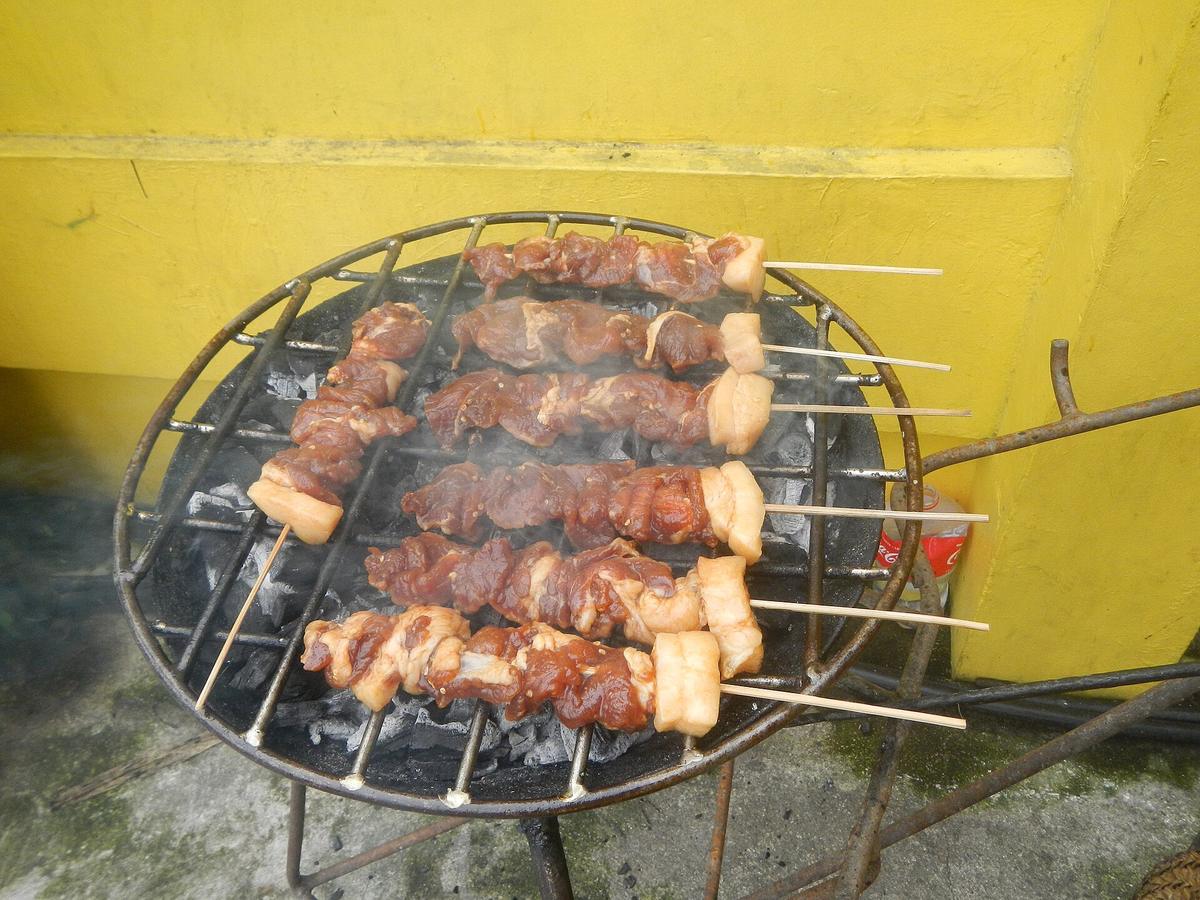
Larsian sa Fuente is an open air grilling market on Don Mariano Cui Street, near Fuente Osmeña Circle. It operates from 10:00 to 22:00 daily. Twenty plus stalls grill meat over charcoal, and customers buy puso and drinks from separate vendors. The setup is not a restaurant. It is a market where you assemble your meal from multiple sellers.
How to Eat at Larsian Without Regret
A full meal at Larsian costs PHP 150 to 300 per person. That gets you 6 to 8 sticks, 2 to 3 pieces of puso, and a bottled drink. If you want beer, budget up to PHP 350. The stick prices range from PHP 10 to 50 depending on the meat. Pork belly (liempo) is the most expensive. Chicken intestine (isaw) and pork blood (dugo) are the cheapest.
Not all stalls are equal. Stall 16, called Mat Mat, consistently delivers good grill char and fresh puso. The stall nearest the entrance coasts on its location. Its lower customer turnover means the meat sits longer on the tray before hitting the grill. Avoid it. The simplest rule is the most reliable: eat where the queue is visible. High turnover at a stall here means the meat is fresh and the coals are hot. That is the signal.
Street Grilling Safety Rules
The sweet soy glaze that coats most sticks masks discoloration. Look at the raw meat tray, not the cooked one. If raw and cooked meat share the same tray, walk away. That is a cross contamination risk that no amount of char can fix.
One traveller ate at a quiet Larsian stall because it looked less chaotic. The next day was spent in the bathroom. The stall had low turnover, which meant the meat had been sitting. Do not make that mistake. The lively stalls are the safe stalls.

Bakery Breakfasts and What to Drink
Carinderias and Larsian cover lunch and dinner. For breakfast, follow the Cebuano habit. Buy fresh bread from a neighborhood bakery. A pan de sal or ensaymada costs PHP 5 to 15. Pair it with a cup of instant coffee from the same shop, or buy a bottle of water. Bakery breakfasts are cheaper than any restaurant and faster than cooking yourself.
For drinks throughout the day, buy bottled water. Never drink tap water. If you order a drink with ice, accept only tube ice that is cylindrical with a hole. That comes from a known plant. Crushed or shaved ice sold at street level is unreliable. The PHP 15 you save by taking crushed ice is not worth the risk.
The One Thing To Do When You Arrive
Walk to the nearest carinderia near your accommodation at 11:30, when the lunch trays are fresh. Point at one viand, take the free soup, and eat. The price you pay will be PHP 55 to 85. The meal you get will be better than anything in the tourist district at three times the cost. Do that once, and you will understand why Cebu City's food economy is not about scarcity. It is about efficiency, turnover, and knowing where to stand.
Read next
-
 Where to Eat in Cebu The List I Actually Give Friends
The unsponsored, specific Cebu City restaurant list I text to friends, organized by craving and situation rather than neighborhood.
Where to Eat in Cebu The List I Actually Give Friends
The unsponsored, specific Cebu City restaurant list I text to friends, organized by craving and situation rather than neighborhood.
-
 Solo Travel in the Philippines What It Is Actually Like Day by Day
Solo travel in the Philippines is not all palm trees and new friends. Here is the honest daily reality, from eating alone in Cebu City to the kindness of strangers on a long bus ride.
Solo Travel in the Philippines What It Is Actually Like Day by Day
Solo travel in the Philippines is not all palm trees and new friends. Here is the honest daily reality, from eating alone in Cebu City to the kindness of strangers on a long bus ride.
-
 When to Come to the Philippines the Dry Season and What Typhoon Season Means
The Philippines has two seasons on paper and many more in practice. Here is what typhoon season actually means for your trip, and when the Cebu weather really delivers.
When to Come to the Philippines the Dry Season and What Typhoon Season Means
The Philippines has two seasons on paper and many more in practice. Here is what typhoon season actually means for your trip, and when the Cebu weather really delivers.
-
 Getting Around the Philippines Ferries Budget Flights and the Jeepney Truth
From overnight ferries to budget flight roulette and the jeepney routes you actually need, here is how moving between Philippine islands really works.
Getting Around the Philippines Ferries Budget Flights and the Jeepney Truth
From overnight ferries to budget flight roulette and the jeepney routes you actually need, here is how moving between Philippine islands really works.
-
 What the Philippines Costs From Someone Who Actually Lives Here
Philippines travel budgets online swing wildly. Here is what daily life actually costs, from carinderia meals to inter-island ferries, priced by someone who lives here.
What the Philippines Costs From Someone Who Actually Lives Here
Philippines travel budgets online swing wildly. Here is what daily life actually costs, from carinderia meals to inter-island ferries, priced by someone who lives here.
-
 Korean Restaurants in Cebu Why There Are So Many and Where to Go
Cebu City's Korean restaurant density is no accident. Here's the backstory and the specific spots worth your money.
Korean Restaurants in Cebu Why There Are So Many and Where to Go
Cebu City's Korean restaurant density is no accident. Here's the backstory and the specific spots worth your money.
-
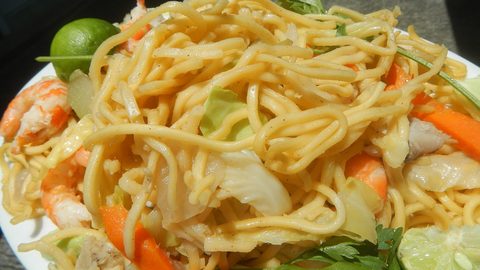 Cebuano Chinese Restaurants The Old Ones and What to Order
The century-old Cebuano Chinese restaurants in Cebu City that define the city's palate, and exactly what to order in each one.
Cebuano Chinese Restaurants The Old Ones and What to Order
The century-old Cebuano Chinese restaurants in Cebu City that define the city's palate, and exactly what to order in each one.
-
 Eating Out Alone in the Philippines How It Actually Goes
The honest reality of walking into a Cebu City restaurant alone, and the specific spots where a table for one feels entirely natural.
Eating Out Alone in the Philippines How It Actually Goes
The honest reality of walking into a Cebu City restaurant alone, and the specific spots where a table for one feels entirely natural.
-
 Introvert Friendly Restaurants in Cebu City Quiet Corners and Calm Meals
Cebu City restaurants chosen for quiet, low social pressure, and the specific corner tables where you can eat in peace.
Introvert Friendly Restaurants in Cebu City Quiet Corners and Calm Meals
Cebu City restaurants chosen for quiet, low social pressure, and the specific corner tables where you can eat in peace.