Eating Through Cebu City's Cebuano Chinese Heritage
The century-old Cebuano Chinese restaurants in Cebu City that define the city's palate, and exactly what to order in each one.
.jpg)
The Old Cebuano Chinese Restaurants That Built a Separate Culinary Tradition
The assumption is easy: that Chinese food in Cebu City is a provincial copy of Manila's Binondo district. It is not. Cebuano Chinese food is a separate culinary tradition, built by Hokkien-speaking Fujianese traders who settled in Cebu before the Spanish colonial period ended. It has been evolving in isolation for at least a century and a half. The old restaurants that survive today are not heritage tourist attractions. They are working dining halls. Three generations of the same family still cook the same dishes that shaped Cebuano taste. Knowing which ones are worth your time, what to order, and how to order it makes the difference between a forgettable meal and a Cebuano Chinese one.
The Five Places That Define Old Cebuano Chinese Dining
Four of these restaurants sit in downtown Cebu, one in Lahug. All have owned their premises for decades. None pay mall rent. That structural advantage keeps per-head costs at PHP 250 to 400 for a full group meal. Dishes cost PHP 150 to 350 each. Rice runs PHP 25 to 40. A new concept restaurant cannot replicate family-run operations with multi-generational staff. Here is what you need to know about each one.
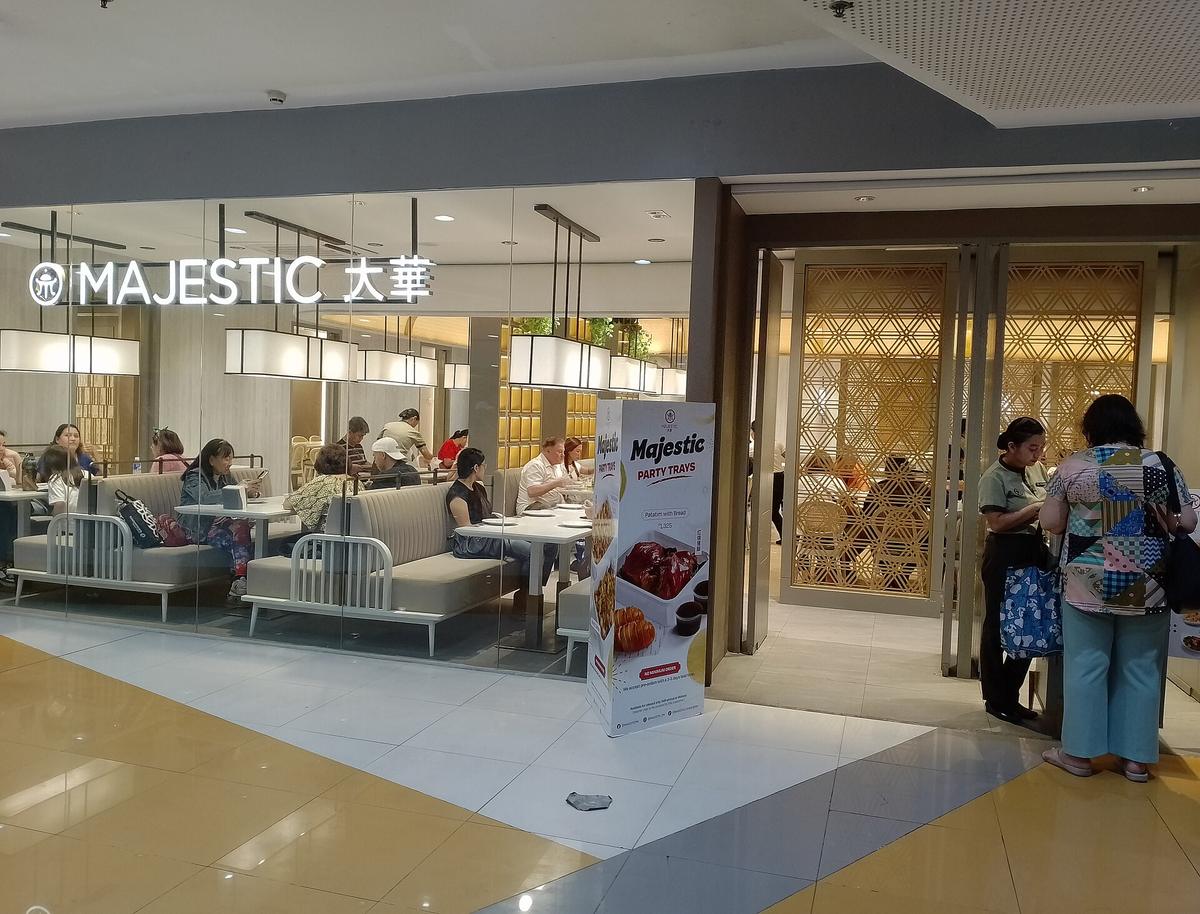
Majestic Restaurant: The Benchmark Since 1948
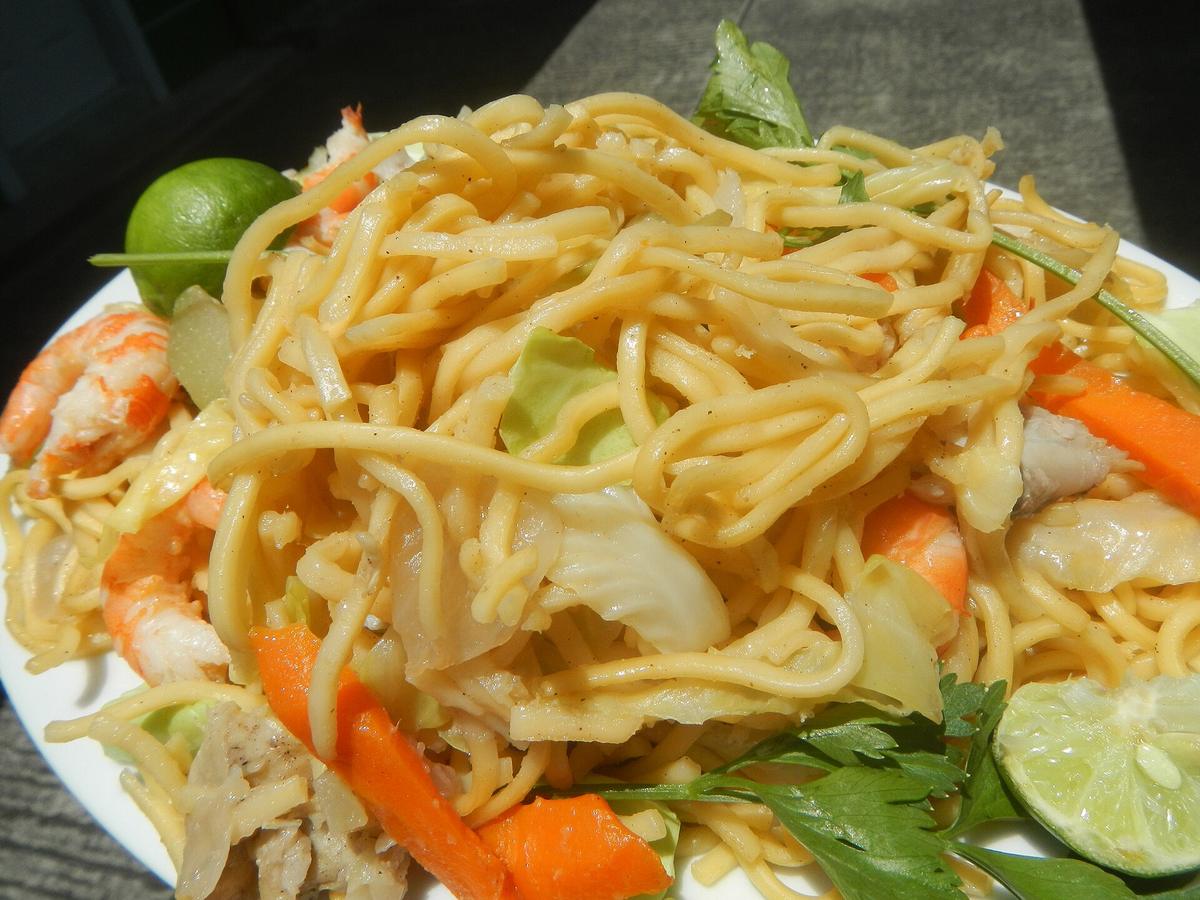
Address: 111 Colon Street. Hours: 10:00 to 14:00 and 17:00 to 21:00, closed Mondays. Arrive by 11:30. The fresh lumpia sells out early. By 12:30 on weekends it is gone. The fresh lumpia here uses a wheat wrapper, not fried, filled with ubod, pork, and shrimp, and finished with a sweet-savoury sauce thickened with cornstarch. Order it first. Then order the pancit canton. These two dishes remain the benchmarks for the entire cuisine. Add the steamed lapu-lapu if you have four people at the table. One person orders for the table. Noodle dishes are the centrepiece. Rice is ordered per head.
Snow Sheen: Still Correct But Narrowing
Address: 82 Sikatuna Street. Hours: 10:00 to 21:00 daily. Founded in the 1960s. Snow Sheen is coasting on reputation. The yang chow fried rice is still correct. That is the dish to order. It uses day-old Cebu-grown rice, wok-fried at extremely high heat until it develops a charred edge, incorporating Chinese sausage and sometimes tinapa flakes. The pancit has slipped. Do not order the asado. It is now dry and inconsistent. Order the yang chow fried rice, eat it, and leave satisfied. This is not a destination for a full spread.
Ding Qua Qua: Go For The Dim Sum, Not The Feast
Address: JY Square Mall, Salinas Drive, Lahug. Hours: 10:00 to 21:00 daily. Founded in the 1970s with an original downtown location that has since closed. The original branch was the real thing. This mall location is not. But the dim sum remains the reason to go. Skip the full Cebuano-Chinese menu. Order the siomai, the hakaw, and the pork buns. Treat it as a dim sum stop, not a sit-down family dinner. If you want the full spread, the downtown branch that closed was where you would have found it. That option no longer exists.
Harbour City Dim Sum: One Dish Worth The Trip
Address: SM City Cebu, North Reclamation Area. Hours: 10:00 to 21:00 daily. Founded in 1969 with an original location on Colon Street. Harbour City is a mall dim sum restaurant. The rest of the menu is standard. But the steamed fried rice is the single dish worth crossing town for. The rice is fried first, then steamed in a metal tin with stock, Chinese sausage, and shiitake. The result is a soft top layer and a crust at the bottom. Order it. Eat the crust first. That is the entire purpose of this stop.
Chika-an: The Ngohiong And Humba Stop
Address: 155 Salinas Drive, Lahug. Hours: 11:00 to 14:00 and 17:00 to 22:00 daily. Chika-an is not a pure Cebuano-Chinese institution. But two dishes that define that tradition are done correctly here. The ngohiong: a five-spice pork roll wrapped in bean-curd skin, deep-fried, served with a vinegar-chilli dip. The humba: braised pork belly with fermented black beans, brown sugar, and banana blossoms. Order both. Skip everything else. This is a two-dish restaurant for the traveller who already ate at Majestic and wants the Hokkien-style braised dishes that the panciterias do not highlight.
How to Order Like a Cebuano Regular
The dining logic is different from what you know. Dishes arrive family-style. One person orders for the entire table. Rice is ordered per head. Noodle dishes serve as the centrepiece, not the side dish. The custom is called kinamot, meaning to eat with your hands, though most tables now use utensils. The point is the sharing structure. Do not order individual plates. Do not order for yourself. Let one person decide the balance of pancit, fried rice, lumpia, and a braised meat dish. Unsure? Start at Majestic. Order the fresh lumpia, pancit canton, and steamed lapu-lapu. Work outward from there.
Avoid Dimsum Break if you want the old experience. It is a fast-casual chain with multiple locations including Colon Street and Ayala Center Cebu. The steamed rice with Chinese sausage is a reliable budget option at PHP 50 to 150 per item. But it is not a sit-down family restaurant. It serves a different purpose: a quick meal for a shopper, not a dining heritage stop.
Budget PHP 250 to 400 per head for a full group meal at any of the old restaurants. That is the 2024 rate, published by the restaurants themselves. It holds because their cost structures have not changed. Owned premises downtown. No mall rental overhead. Multi-generational staff paid at fair market rates but not inflated by real estate speculation. The value proposition is structural, not promotional.
| Restaurant | Year Founded | Best Dish To Order | Dish To Skip |
|---|---|---|---|
| Majestic Restaurant | 1948 | Fresh lumpia, pancit canton | None worth skipping |
| Snow Sheen | 1960s | Yang chow fried rice | Asado, pancit |
| Ding Qua Qua | 1970s | Siomai, hakaw | Full Cebuano-Chinese menu |
| Harbour City Dim Sum | 1969 | Steamed fried rice | Everything else |
| Chika-an | No date available | Ngohiong, humba | Non-Cebuano-Chinese dishes |

What to Expect from Old Cebuano Chinese Restaurants and When to Skip Them
Old Cebuano Chinese restaurants are for the traveller who wants to eat the food that actual Cebuanos have eaten for decades. They are for someone who understands that a restaurant founded in 1948 with owned premises on Colon Street is a different category from a new concept restaurant in a mall. They are for the person who will order the fresh lumpia before it sells out, who will let one person order for the table, and who understands that PHP 250 to 400 per head for a meal that took three generations to perfect is not just a good deal but a structural fact.
Old Cebuano Chinese restaurants are not for someone who wants a curated, photogenic dining experience with small plates and craft cocktails. They are not for the traveller who is in a hurry or who wants to eat alone. They are not for someone who thinks that a mall dim sum chain like Dimsum Break, while reliable for a PHP 50 to 150 budget meal, qualifies as a heritage dining experience. If you are looking for novelty, trend, or influencer-friendly plating, skip these restaurants. They were not built for you. They were built for people who have been ordering the same dishes for thirty years. And they are still serving them to those people today.
Read next
-
 Where to Eat in Cebu The List I Actually Give Friends
The unsponsored, specific Cebu City restaurant list I text to friends, organized by craving and situation rather than neighborhood.
Where to Eat in Cebu The List I Actually Give Friends
The unsponsored, specific Cebu City restaurant list I text to friends, organized by craving and situation rather than neighborhood.
-
 Solo Travel in the Philippines What It Is Actually Like Day by Day
Solo travel in the Philippines is not all palm trees and new friends. Here is the honest daily reality, from eating alone in Cebu City to the kindness of strangers on a long bus ride.
Solo Travel in the Philippines What It Is Actually Like Day by Day
Solo travel in the Philippines is not all palm trees and new friends. Here is the honest daily reality, from eating alone in Cebu City to the kindness of strangers on a long bus ride.
-
 When to Come to the Philippines the Dry Season and What Typhoon Season Means
The Philippines has two seasons on paper and many more in practice. Here is what typhoon season actually means for your trip, and when the Cebu weather really delivers.
When to Come to the Philippines the Dry Season and What Typhoon Season Means
The Philippines has two seasons on paper and many more in practice. Here is what typhoon season actually means for your trip, and when the Cebu weather really delivers.
-
 Getting Around the Philippines Ferries Budget Flights and the Jeepney Truth
From overnight ferries to budget flight roulette and the jeepney routes you actually need, here is how moving between Philippine islands really works.
Getting Around the Philippines Ferries Budget Flights and the Jeepney Truth
From overnight ferries to budget flight roulette and the jeepney routes you actually need, here is how moving between Philippine islands really works.
-
 What the Philippines Costs From Someone Who Actually Lives Here
Philippines travel budgets online swing wildly. Here is what daily life actually costs, from carinderia meals to inter-island ferries, priced by someone who lives here.
What the Philippines Costs From Someone Who Actually Lives Here
Philippines travel budgets online swing wildly. Here is what daily life actually costs, from carinderia meals to inter-island ferries, priced by someone who lives here.
-
 Korean Restaurants in Cebu Why There Are So Many and Where to Go
Cebu City's Korean restaurant density is no accident. Here's the backstory and the specific spots worth your money.
Korean Restaurants in Cebu Why There Are So Many and Where to Go
Cebu City's Korean restaurant density is no accident. Here's the backstory and the specific spots worth your money.
-
 Eating Well in Cebu City for Very Little Money
Where to eat memorably in Cebu City on a tight budget, from pungko-pungko stalls to the best carinderias near the universities.
Eating Well in Cebu City for Very Little Money
Where to eat memorably in Cebu City on a tight budget, from pungko-pungko stalls to the best carinderias near the universities.
-
 Eating Out Alone in the Philippines How It Actually Goes
The honest reality of walking into a Cebu City restaurant alone, and the specific spots where a table for one feels entirely natural.
Eating Out Alone in the Philippines How It Actually Goes
The honest reality of walking into a Cebu City restaurant alone, and the specific spots where a table for one feels entirely natural.
-
 Introvert Friendly Restaurants in Cebu City Quiet Corners and Calm Meals
Cebu City restaurants chosen for quiet, low social pressure, and the specific corner tables where you can eat in peace.
Introvert Friendly Restaurants in Cebu City Quiet Corners and Calm Meals
Cebu City restaurants chosen for quiet, low social pressure, and the specific corner tables where you can eat in peace.