What to Eat on Philippine Overnight Ferries and What to Bring
A practical guide to What to Eat on Philippine Overnight Ferries and What to Bring.
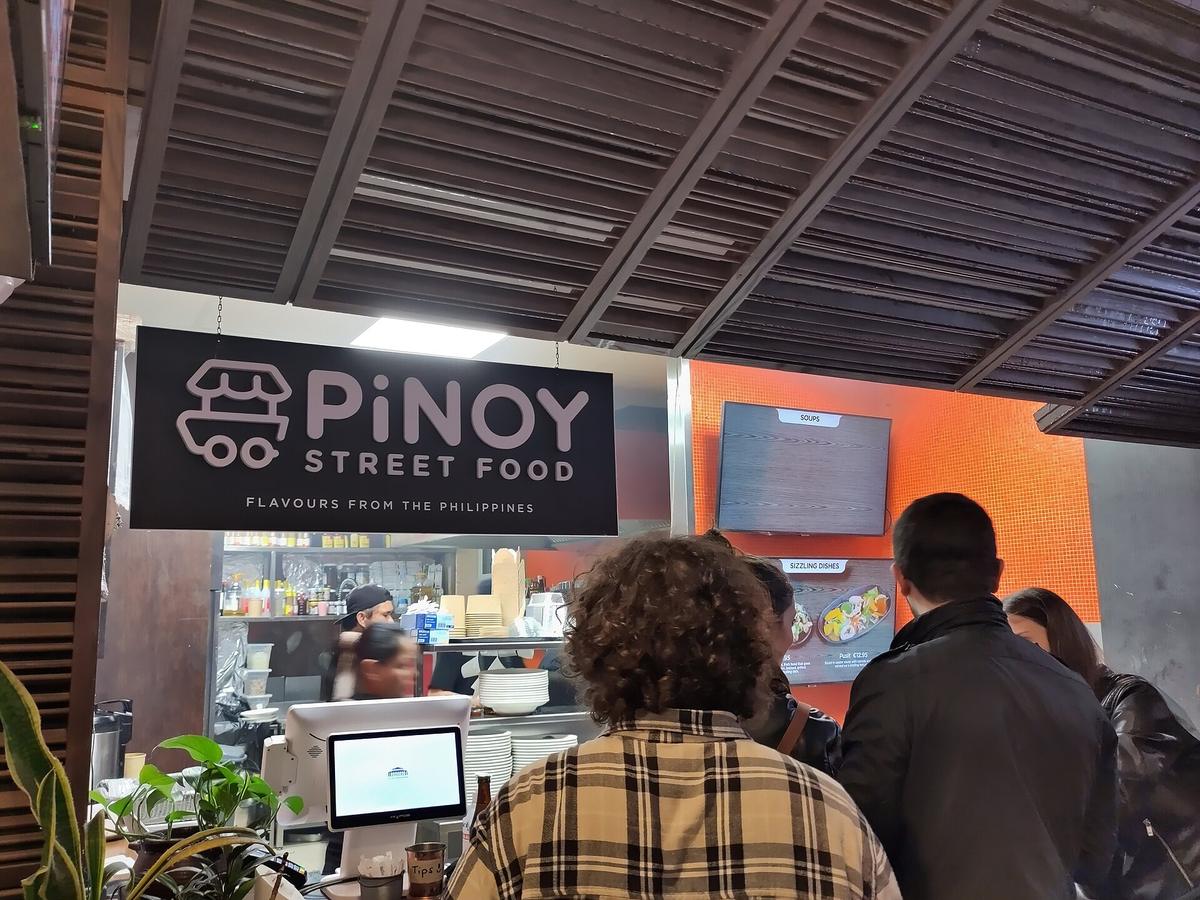

What the ticket fare covers before you pack anything
On 2GO Travel overnight ferries, meals are included in the ticket fare for every accommodation class. That means whether you booked the most economical bunk or a private suite, breakfast, lunch, and dinner are part of what you already paid. The dining setup differs by cabin category. Economy, Super Value, Mega Value, and Tourist Class passengers eat at the Island Fiesta Restaurant, a self-service buffet-style venue. Business Class, State Room, and Suite passengers take their meals at the Horizon Café, where dishes are served plated rather than scooped from a buffet line.
Meal service runs in fixed windows. Breakfast is typically served from 6:00 to 8:00 AM, lunch from 11:00 AM to 1:00 PM, and dinner from 6:00 to 8:00 PM. The cafeteria closes outside those hours, so missing a window means waiting for the next one. The onboard kitchens prepare food that is generally halal, and menus avoid pork to accommodate a wider range of dietary restrictions. If you have stricter requirements beyond what halal preparation covers, the included meals may not meet every need, which is where your own supplies become relevant.
What you are allowed to bring and what you should never pack
Passengers are permitted to bring their own food and beverages onboard 2GO ferries. There is no rule forcing you to rely solely on the included meals or paid outlets. The free baggage allowance is generous at 50 kilograms per full-paying passenger, with a per-piece dimension limit of no more than 20 inches in height and 30 inches in width. That leaves room for a dedicated food bag if you plan carefully.
What you cannot bring is just as important. The Office for Transportation Security prohibits flammable liquids from being carried onto Philippine passenger ships. That list includes cooking fuel, lighter fluid, gasoline, and kerosene. Sharp or bladed objects and alcoholic beverages are also restricted or prohibited. If you were considering a compact camping stove or a bottle of liquor to pass the evening, leave both at home. The rules are enforced at the terminal, and showing up with a prohibited item creates a problem you cannot fix at the last minute.
Hot water on every deck and why it changes what you pack
Free hot-water dispensers are available on every deck of 2GO vessels. This single amenity reshapes the self-catering equation. Instant noodles, single-serve oatmeal packets, powdered coffee, tea bags, and hot chocolate sachets all become practical meals and drinks without needing any heating equipment of your own. A lightweight cup or insulated mug with a secure lid is the only vessel you need to add. The hot water is there, it costs nothing extra, and it is accessible regardless of your accommodation class.
This also means you can stretch the included meals further. If the dinner window at 6:00 PM leaves you hungry again by midnight, a cup of noodles prepared with deck-level hot water fills the gap without spending at the paid outlets. The same logic applies to early risers who want something warm before the 6:00 AM breakfast service begins. Packing a small selection of just-add-hot-water items is one of the highest-return decisions you can make for an overnight sailing.
Paid food and drink options when you want something extra
Beyond the included meals and your own supplies, 2GO ships operate several paid food and drink outlets. Café 2GO sells pastries, coffee, and snacks for passengers who want a mid-afternoon pick-me-up or a dessert beyond what the buffet offered. QuikMart or ShipMart, depending on the vessel, functions as a convenience store stocked with drinks, packaged snacks, and instant noodles. Vending machines are also positioned on various decks. These outlets are useful if you run through your packed supplies faster than expected or if you simply want a barista-style coffee rather than instant.
The tradeoff is cost. Prices onboard are not regulated like the included meals, and convenience-store items on a ship tend to carry a markup compared to buying the same thing at a supermarket before departure. If budget matters more than spontaneity, a pre-departure grocery stop is the better move. If flexibility matters more, the outlets are there.
What to pack for warmth and why it connects to food planning
Blanket rentals are available onboard for approximately 50 pesos plus a refundable deposit, but stocks frequently sell out on fully booked sailings. The air-conditioned passenger areas can feel cold overnight, and a shivering night makes every meal and snack less enjoyable the next morning. The official advice from frequent-passenger sources is to bring your own warm layer rather than counting on a rental being available.
This connects directly to food planning because a comfortable night affects your appetite and energy the following day. A lightweight fleece blanket or a packable travel throw takes up little space in a bag that already holds food supplies. If you are already dedicating part of your 50-kilogram allowance to instant noodles, oatmeal, and a cup, adding a warm layer is a small incremental decision that improves the whole experience. The two categories of packing, food and comfort, reinforce each other.
How terminal timing affects what you eat before boarding
Passengers must arrive at the terminal check-in counter at least three to four hours before departure, and boarding gates close one hour before departure. Every passenger needs one printed copy of the eTicket Itinerary Receipt and a valid government-issued photo ID. That early arrival window means you will likely be at the port during a meal period or close to one. Eating a proper meal before check-in is a practical hedge. If the included dinner onboard is served from 6:00 to 8:00 PM and your boarding process runs late, you might miss the window. A meal eaten at or near the terminal before you enter the queue removes that risk.
The same logic applies in reverse at disembarkation. Breakfast service ends at 8:00 AM. If your arrival port routine involves waiting for baggage or transport, having a packed snack or a just-add-hot-water option left over from your supplies means you are not stuck hungry during the transition back to land. Planning food around the terminal timeline is not about the sailing itself but about the hours immediately before and after, which are easy to overlook.
A practical packing list built from verified facts
Drawing from what is provided, permitted, and restricted, a focused food-and-comfort kit for an overnight Philippine ferry looks like this. Pack instant noodles or cup noodles that only need hot water, since free dispensers are on every deck. Include single-serve oatmeal packets, tea bags, instant coffee sachets, or powdered drink mixes. Bring a lightweight cup or insulated mug with a lid. Add non-perishable snacks that do not require preparation, such as biscuits, nuts, or dried fruit, for gaps between meal windows. Include a warm layer like a fleece blanket or travel throw, because blanket rentals run out. Carry a printed eTicket and valid photo ID in an accessible place. Leave behind any flammable liquids, sharp objects, and alcoholic beverages.
This kit works within the 50-kilogram baggage allowance and the per-piece dimension limits. It respects the included meals while covering the hours when the cafeteria is closed. It uses the free hot water instead of paying onboard markups. And it avoids the prohibited-items list entirely. The goal is not to replace the onboard dining experience but to supplement it precisely where the fixed meal schedule leaves gaps.
Sources and verification
- 2go.com.ph — Research source checked for this guide
- 2go.com.ph — Research source checked for this guide
- bustickets.ph — Research source checked for this guide
- 2gopromofares.com — Research source checked for this guide
- travel.2go.com.ph — Research source checked for this guide
- 2go.com.ph — Research source checked for this guide
Read next
-

 When to Come to the Philippines the Dry Season and What Typhoon Season Means
The Philippines has two seasons on paper and many more in practice. Here is what typhoon season actually means for your trip, and when the Cebu weather really delivers.
-
 Getting Around the Philippines Ferries Budget Flights and the Jeepney Truth
From overnight ferries to budget flight roulette and the jeepney routes you actually need, here is how moving between Philippine islands really works.
-
 What the Philippines Costs From Someone Who Actually Lives Here
Philippines travel budgets online swing wildly. Here is what daily life actually costs, from carinderia meals to inter-island ferries, priced by someone who lives here.
-
 Vegetarian Filipino Food What to Order Beyond Side Dishes
A practical guide to Vegetarian Filipino Food What to Order Beyond Side Dishes.
-
 Cebu or Iloilo for a Food First Weekend
A practical guide to Cebu or Iloilo for a Food First Weekend.
-
 Pampanga Food Trip Dishes Markets and a Practical Eating Route
A practical guide to Pampanga Food Trip Dishes Markets and a Practical Eating Route.
-
 Solo Travel in the Philippines What It Is Actually Like Day by Day
Solo travel in the Philippines is not all palm trees and new friends. Here is the honest daily reality, from eating alone in Cebu City to the kindness of strangers on a long bus ride.
-
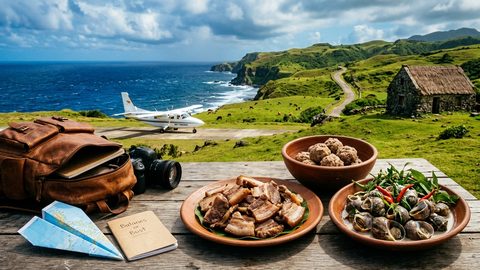 Batanes Regional Food and the Honest Truth About Getting There
Honest guide to Batanes food: uvud, coconut crab, pangasi, real prices, and why your flight might board a different plane than expected.
-
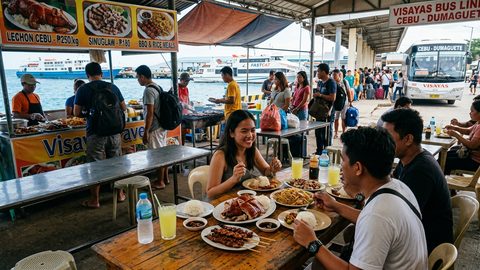 Eating Well at Philippine Ferry Ports and Bus Terminals in the Visayas
Puso, sinuglaw, and freshly fried chicharon at Cebu's Pier 1, the Ormoc bus depot, and Dumaguete's waiting sheds. A solo traveler's guide to Visayas transit food.