Cebu or Iloilo for a Food First Weekend
A practical guide to Cebu or Iloilo for a Food First Weekend.

Why this comparison matters for a food first weekend
Two of the most compelling food destinations in the Philippines sit just an hour apart by air, yet they offer radically different edible identities. Cebu built its reputation on the primal theatre of whole roasted pig and the interactive chaos of seafood grill markets. Iloilo quietly earned a UNESCO Creative City of Gastronomy designation, the first in the country, on the strength of its deeply layered soups, stews and grilled chicken traditions. A weekend is enough to eat memorably in either city, but the choice shapes everything: what you order, how you eat it and the rhythm of your days.
This comparison is for travellers who plan a short trip around appetite. It does not weigh beaches, nightlife or heritage architecture except where those settings intersect with a meal. The facts that follow come from official gastronomy records, government tourism listings and verified food guides. Where practical details shift with season or schedule, the guidance names the operator you should check directly rather than printing a number that may be wrong by the time you travel.
The signature dish that defines each city
Cebu lechon is a whole pig stuffed with lemongrass, garlic, onions and aromatics, roasted over charcoal until the skin crackles. The seasoning is built into the meat, so it is traditionally eaten without liver sauce. Within Cebu, two styles compete for loyalty. Carcar style pours the roasting drippings back over the chopped meat as a dark gravy, while Talisay style serves the lechon drier, typically with spiced vinegar on the side. House of Lechon, at Acacia corner Tojong Streets near Cebu Business Park, is listed as Michelin Selected in the 2026 Michelin Guide Philippines and serves Carcar style lechon by weight.
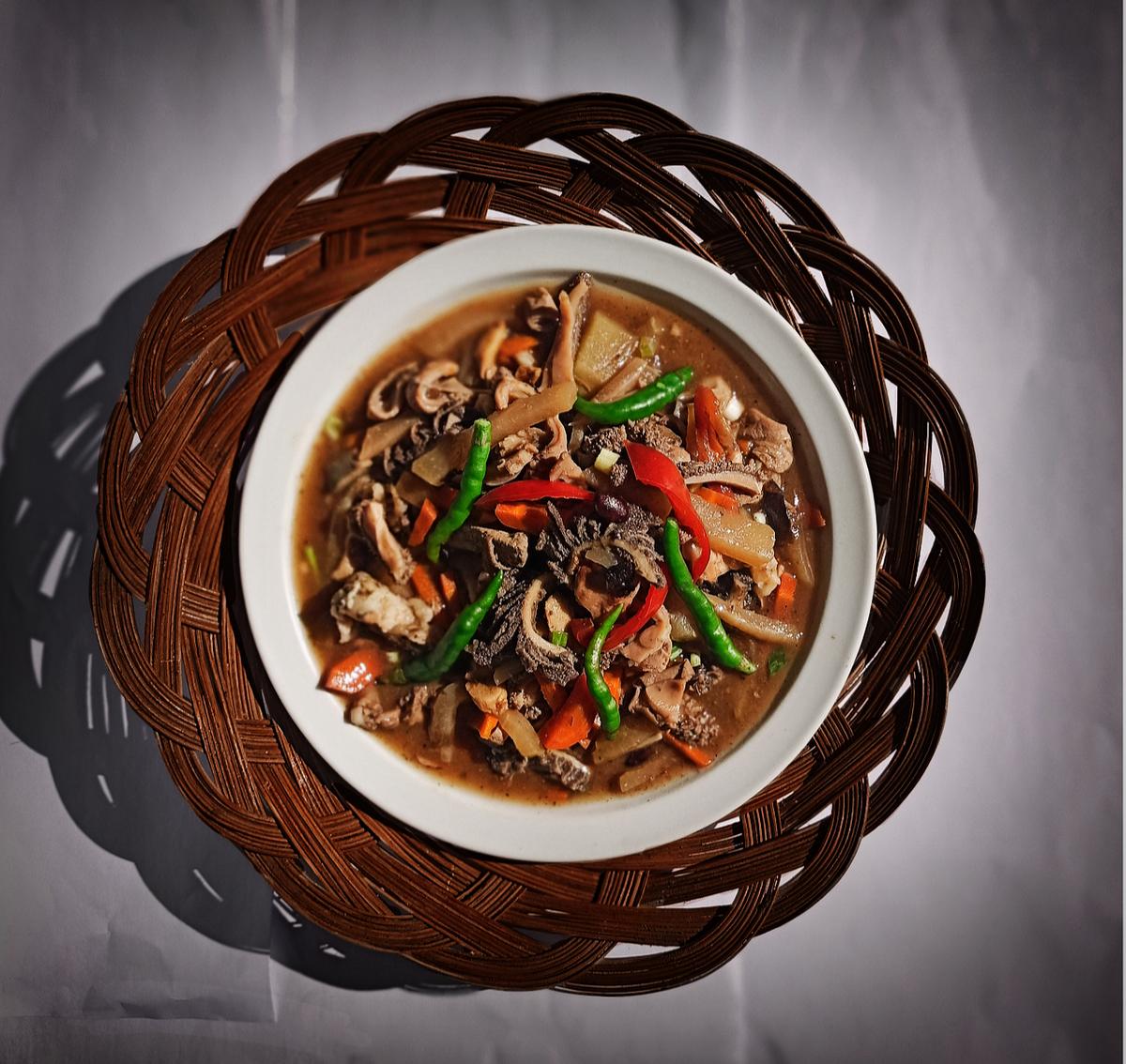
Iloilo answers with La Paz Batchoy, a noodle soup built on miki egg noodles in a savoury broth, topped with pork innards, liver, crushed chicharon, spring onion and toasted garlic. Deco's La Paz Batchoy in La Paz Public Market has served it since 1938. The dish is a study in texture: soft noodles, crunchy crackling, tender offal. Where Cebu lechon announces itself with spectacle, batchoy rewards the first spoonful with a quiet, porky depth that has anchored Ilonggo breakfasts for generations.

How the wider food landscape compares
Cebu's food culture extends well beyond lechon. Sutukil, a Cebuano way of eating seafood, combines three cooking styles in one meal: sugba (grilled), tuwa (stewed in broth) and kilaw (raw seafood cured in vinegar). The experience is concentrated around seafood grill markets near the Mactan Shrine area in Lapu-Lapu City, where you select your catch and decide how each piece gets cooked. It is participatory, loud and shaped by the day's haul.
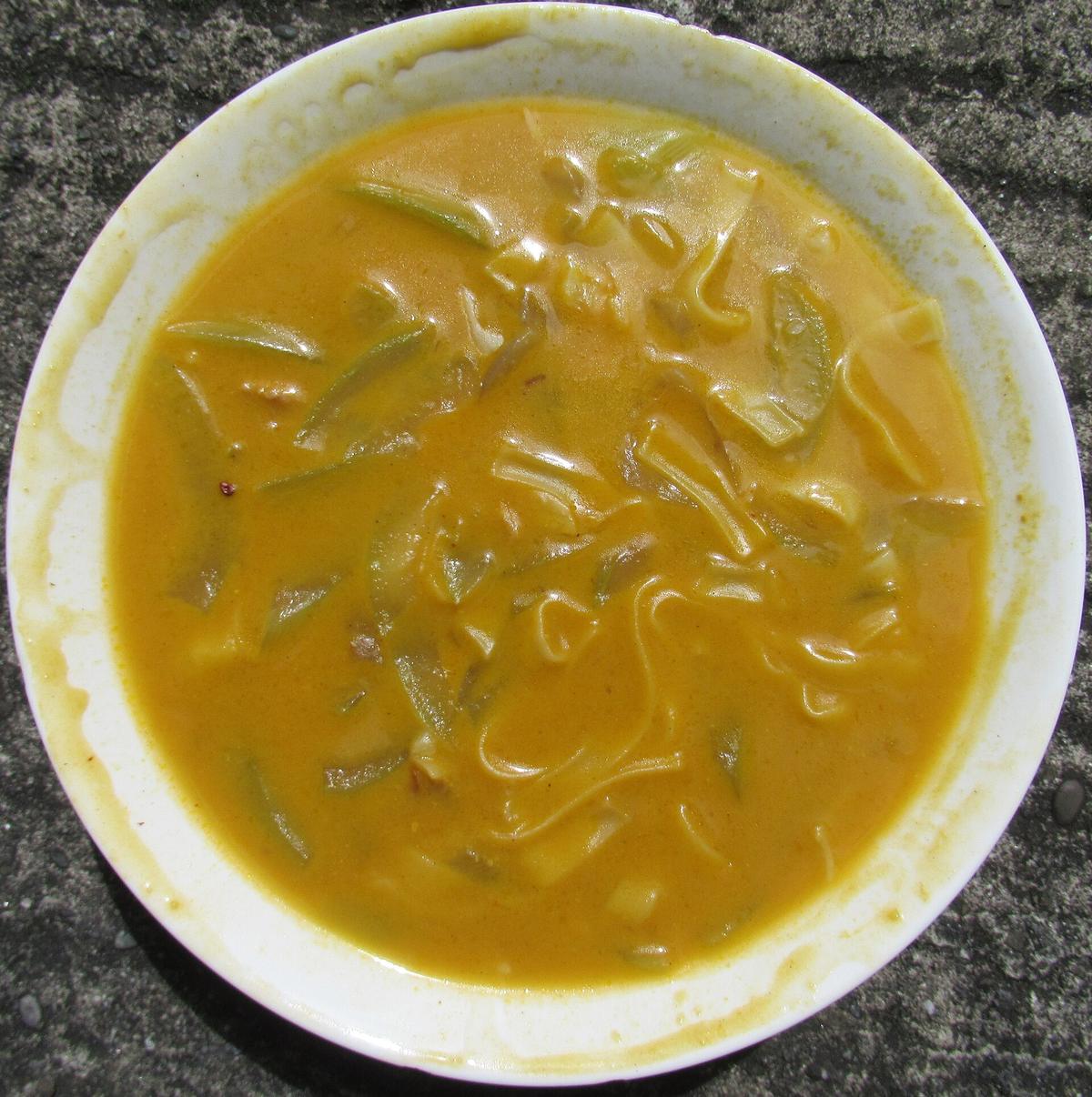
Iloilo's gastronomy sector employs around 4,600 people and includes more than 300 restaurants, according to UNESCO. The Philippine Department of Tourism officially lists the city's celebrated dishes as La Paz Batchoy, Pancit Molo, Laswa and KBL. KBL, short for Kadyos, Baboy, Langka, is a sour-salty stew of pigeon peas, pork and young jackfruit, often soured with batuan, a fruit endemic to Panay Island. This is cooking that draws from a specific patch of soil. Iloilo's chicken inasal, a grilled chicken marinated in calamansi, pepper, vinegar and annatto, is another pillar. Official city gastronomy listings name Tatoy's Manokan and Seafood, Breakthrough Restaurant, Ramboy's, Barrio Inasal and Fort San Pedro as key establishments.
The logistics of a two-city weekend
A traveller who wants both cities in a single weekend can do it, but the decision hinges on how you value time versus money and whether you can sleep on a ferry. The direct flight between Mactan-Cebu International Airport and Iloilo International Airport takes approximately 55 minutes. Cebu Pacific and Philippine Airlines operate about 21 flights per week as of mid-2026. Flight schedules and frequencies change seasonally; confirm with the airline at the time of booking.
The overnight ferry takes 12 to 14 hours. Cokaliong Shipping and Trans-Asia each operate two sailings per week. No fastcraft serves this route. Ferry schedules, departure times and fares are subject to change without prior notice and may be cancelled due to weather. Verify with the shipping company before travel. The tradeoff is straightforward: a morning flight lets you eat lunch in the other city on the same day. The ferry costs less but consumes half your weekend in transit. Which you choose depends on whether you would rather spend money on a plane ticket or on an extra round of inasal and lechon.
Which city fits which kind of eater
Choose Cebu if your ideal food weekend revolves around a single, spectacular centrepiece. The lechon experience is communal by design: you gather, you point at a pig, you eat it with your hands. Sutukil adds variety without leaving the seafood market format. The food geography is compact, concentrated around Cebu City and the Mactan shore. A Cebu weekend feels like a focused, high-intensity hit of pork and grilled fish.
Choose Iloilo if you want range. The UNESCO designation reflects a broader gastronomic ecosystem. You can start a morning with batchoy at a public market stall operating since before the Second World War, move to a chicken inasal house for lunch, and end the day with a sour stew built on a fruit that grows nowhere else. The city's 300 plus restaurants span market counters, garden grills and family run dining rooms. Iloilo rewards the eater who treats a weekend as a survey course rather than a single subject.
Practical cautions for a short trip
Restaurant opening hours, menu prices and whether specific branches are still operating should be confirmed directly before visiting. Check individual restaurant official pages or the Iloilo City of Gastronomy directory. A listed institution like Deco's or Tatoy's is unlikely to vanish, but a weekend is too short to spend an hour walking to a closed door.
Ferry travellers should build flexibility into their return plans. The Cebu to Iloilo route has limited sailings per week, and weather cancellations are a real possibility. If you take the overnight ferry on a Friday and it is cancelled on the return leg, you may need to buy a last-minute flight. The air route is more reliable for a tight schedule, but even flight frequencies shift by season. Check Cebu Pacific or Philippine Airlines directly at the time of booking rather than relying on a cached schedule.
Sources and verification
- unesco.gov.ph — Research source checked for this guide
- cebutours.ph — Research source checked for this guide
- suroy.ph — Research source checked for this guide
- abs-cbn.com — Research source checked for this guide
- iloilocitygastronomy.ph — Research source checked for this guide
- flightconnections.com — Research source checked for this guide
Read next
-

 When to Come to the Philippines the Dry Season and What Typhoon Season Means
The Philippines has two seasons on paper and many more in practice. Here is what typhoon season actually means for your trip, and when the Cebu weather really delivers.
-
 Getting Around the Philippines Ferries Budget Flights and the Jeepney Truth
From overnight ferries to budget flight roulette and the jeepney routes you actually need, here is how moving between Philippine islands really works.
-
 What the Philippines Costs From Someone Who Actually Lives Here
Philippines travel budgets online swing wildly. Here is what daily life actually costs, from carinderia meals to inter-island ferries, priced by someone who lives here.
-
 Pampanga Food Trip Dishes Markets and a Practical Eating Route
A practical guide to Pampanga Food Trip Dishes Markets and a Practical Eating Route.
-
 Solo Travel in the Philippines What It Is Actually Like Day by Day
Solo travel in the Philippines is not all palm trees and new friends. Here is the honest daily reality, from eating alone in Cebu City to the kindness of strangers on a long bus ride.
-
 Batanes Regional Food and the Honest Truth About Getting There
Honest guide to Batanes food: uvud, coconut crab, pangasi, real prices, and why your flight might board a different plane than expected.
-
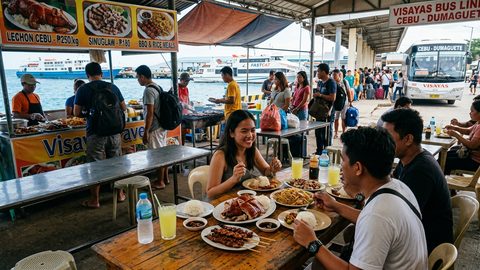 Eating Well at Philippine Ferry Ports and Bus Terminals in the Visayas
Puso, sinuglaw, and freshly fried chicharon at Cebu's Pier 1, the Ormoc bus depot, and Dumaguete's waiting sheds. A solo traveler's guide to Visayas transit food.
-
 What I Research Before Eating in a Philippine City for the First Time
My pre-arrival research process for eating well in any Philippine city, from Dumaguete to Vigan, because every city eats differently.