Vegetarian Filipino Food What to Order Beyond Side Dishes
A practical guide to Vegetarian Filipino Food What to Order Beyond Side Dishes.

Why Filipino Vegetable Dishes Need a Second Look
Filipino cuisine is built around bold, layered flavors, and many of its most celebrated dishes happen to center on vegetables. The challenge for vegetarian diners is not a lack of options but a quiet tradition of enriching plant-based recipes with animal-derived seasonings. A pot of pinakbet might look like a straightforward vegetable stew, yet its signature depth often comes from bagoong, the fermented fish or shrimp paste that has seasoned Ilocano kitchens for generations. Similarly, a creamy bowl of laing can hide dried fish or shrimp paste beneath its coconut-rich surface.
This does not mean vegetarians are stuck with plain rice and a side of sliced mango. It means ordering well requires a little knowledge and the right questions. When you understand which dishes start from a plant-based foundation and which hidden ingredients to ask about, the range of satisfying meals expands considerably. The following dishes represent some of the most reliably adaptable options across the Philippines, along with practical guidance for keeping them meat-free.
Laing and the Coconut Milk Tradition
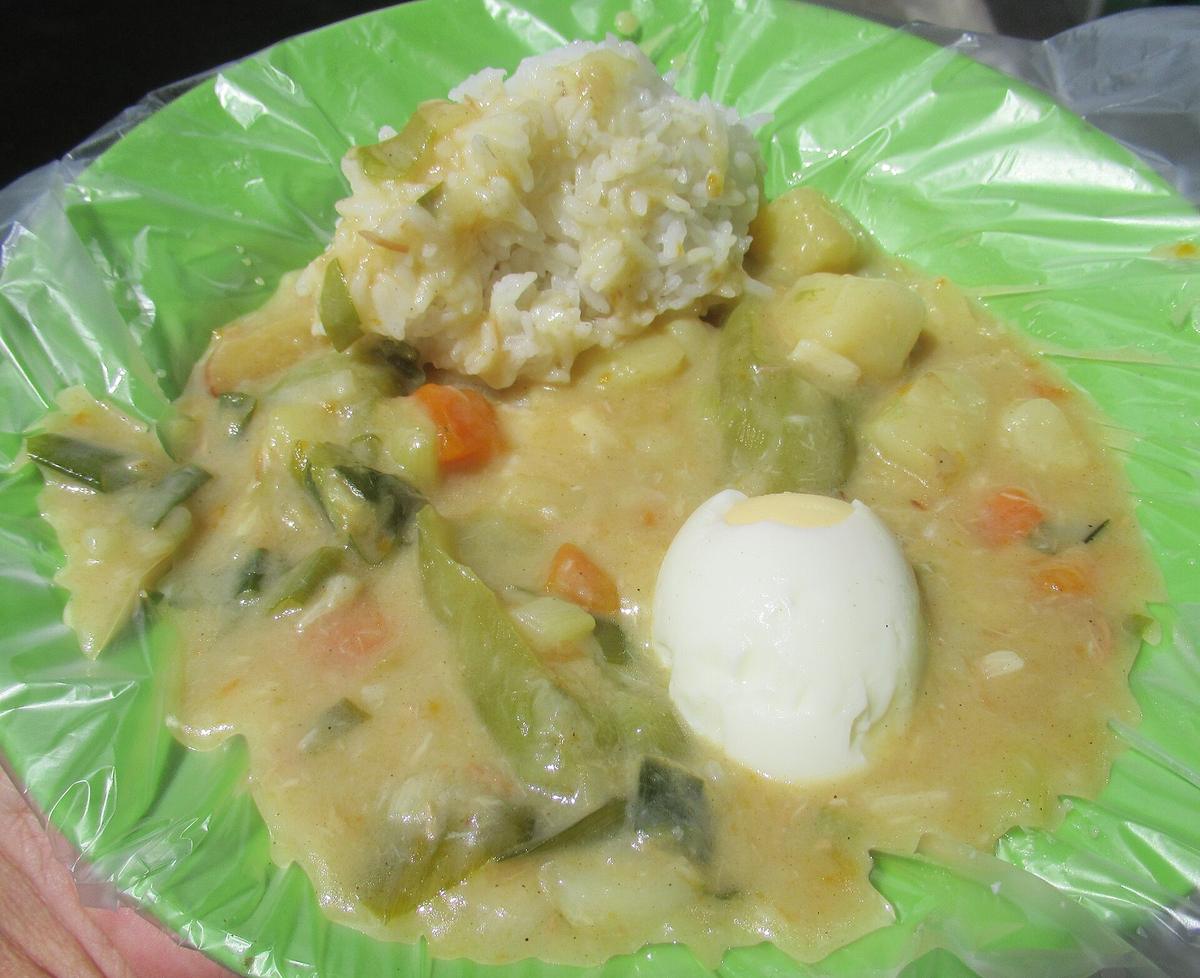
Laing is a Bicolano dish that simmers dried taro leaves in coconut milk and chilli until the leaves absorb the rich liquid and take on a tender, almost creamy texture. At its core, the dish is naturally plant-based, drawing its character from the taro leaves and the slow reduction of coconut milk. The complication is that many cooks add shrimp paste, dried fish or pork during preparation. Before ordering, confirm that the version you are being served omits these additions. When prepared without them, laing stands as one of the most flavorful vegetarian dishes in the Bicol region.


Pinakbet and the Bagoong Question
Pinakbet, also spelled pakbet, is an Ilocano vegetable stew that combines squash, eggplant, bitter melon, okra and string beans in a single pot. The traditional seasoning is bagoong, a fermented paste made from fish or shrimp that gives the stew its characteristic savory undertone. For a vegetarian version, the bagoong can be replaced with soy sauce or miso, a substitution that many cooks are willing to make if asked. The vegetables themselves remain the heart of the dish, so the adjustment does not fundamentally alter its identity. When ordering, specify that you would like it prepared without bagoong and ask whether soy sauce or miso can be used instead.
Ginataang Langka and the Meaty Texture of Jackfruit
Young jackfruit has a remarkable ability to mimic the texture of shredded meat when cooked slowly, and ginataang langka takes full advantage of this quality. The dish simmers the fruit in coconut milk with garlic, onion and ginger, producing a hearty main course that feels substantial without any animal protein. The risk lies in the seasoning: some recipes include shrimp paste or dried fish. Requesting the dish without these ingredients yields a satisfying, filling meal that works well as a centerpiece rather than a side.
Tortang Talong and the Simplicity of Eggplant and Egg
Tortang talong is among the most straightforward Filipino dishes to order as a vegetarian. The process begins with char-grilling whole Chinese eggplants until the skin blackens and the flesh softens. The skin is peeled away, the eggplant is flattened, and the whole thing is dipped in beaten egg and pan-fried. The basic recipe calls for nothing more than eggplant, eggs, salt and oil. Because the ingredient list is so short, there are fewer places for hidden animal products to hide. It is worth confirming that the frying oil is vegetable-based rather than lard, but otherwise this dish is a reliable choice across much of the country.
Adobong Kangkong, Chopsuey and Other Adaptable Staples
Adobong kangkong takes water spinach and cooks it adobo-style with soy sauce, vinegar and garlic. The dish can be made fully vegetarian by leaving out any meat and adding tofu as a protein substitute. Chopsuey, a Chinese-Filipino stir-fry of cabbage, carrots, bell peppers and mushrooms, is another adaptable option. The main pitfalls are oyster sauce and meat, both of which can be omitted on request. Ginisang monggo, a mung bean stew sautéed with garlic, tomatoes and leafy greens such as malunggay or spinach, is a Filipino staple that becomes vegetarian when the kitchen holds the pork, chicharon or meat stock. Ginataang kalabasa at sitaw, squash and string beans simmered in coconut milk, is one of the most reliably plant-based comfort dishes available when ordered without shrimp or pork.
How to Order with Confidence
The Tagalog phrase "Gulay lang, walang karne" translates to "vegetables only, no meat" and serves as a useful starting point. However, it does not address the hidden animal ingredients that frequently appear in Filipino vegetable cooking. To cover those, add "walang patis, walang bagoong," meaning no fish sauce and no shrimp paste. The key hidden ingredients to be aware of include patis (fish sauce), bagoong (fermented shrimp or fish paste), oyster sauce, meat-based seasoning cubes, lard and butter. None of these are obvious on the plate, so asking directly about each one is more effective than relying on a single phrase.
When speaking with kitchen staff, frame your requests clearly and politely. Explain which ingredients you avoid and ask whether the dish can be prepared without them. Many Filipino cooks are familiar with dietary adjustments and can suggest substitutions if asked. The goal is not to demand a completely different dish but to identify which elements of a traditional recipe can be set aside without losing its essential character.
Dedicated Vegetarian Restaurants in Metro Manila
For diners who prefer to skip the negotiation entirely, Metro Manila has a growing number of dedicated vegetarian and vegan Filipino restaurants. Pipino Veg operates in Quezon City, while Cosmic, Greenery Kitchen, Green Bar and Corner Tree Café are all located in Makati, with Cosmic and Corner Tree Café specifically in the Poblacion area and Green Bar in Legazpi Village. Greenery Kitchen was recognized by PETA Asia as 2024's Best Vegan Filipino Restaurant and serves plant-based versions of classic dishes including liempo, dinuguan, caldereta and barbecue.
Restaurant opening hours, menu availability and prices change over time, and individual recipes and ingredient lists may shift as well. Diners with strict dietary requirements should confirm preparation methods with kitchen staff at the time of ordering, even at dedicated vegetarian establishments. Before visiting any of these restaurants, check directly with the venue for current hours and menu offerings.
Sources and verification
- philippinestravelguides.com — Research source checked for this guide
- kgmresorts.com — Research source checked for this guide
- panlasangpinoy.com — Research source checked for this guide
- simplybakings.com — Research source checked for this guide
- thetripkeeper.com — Research source checked for this guide
- whatsonmnl.com — Research source checked for this guide
Read next
-

 When to Come to the Philippines the Dry Season and What Typhoon Season Means
The Philippines has two seasons on paper and many more in practice. Here is what typhoon season actually means for your trip, and when the Cebu weather really delivers.
-
 Getting Around the Philippines Ferries Budget Flights and the Jeepney Truth
From overnight ferries to budget flight roulette and the jeepney routes you actually need, here is how moving between Philippine islands really works.
-
 What the Philippines Costs From Someone Who Actually Lives Here
Philippines travel budgets online swing wildly. Here is what daily life actually costs, from carinderia meals to inter-island ferries, priced by someone who lives here.
-
 Cebu or Iloilo for a Food First Weekend
A practical guide to Cebu or Iloilo for a Food First Weekend.
-
 Pampanga Food Trip Dishes Markets and a Practical Eating Route
A practical guide to Pampanga Food Trip Dishes Markets and a Practical Eating Route.
-
 Solo Travel in the Philippines What It Is Actually Like Day by Day
Solo travel in the Philippines is not all palm trees and new friends. Here is the honest daily reality, from eating alone in Cebu City to the kindness of strangers on a long bus ride.
-
 Batanes Regional Food and the Honest Truth About Getting There
Honest guide to Batanes food: uvud, coconut crab, pangasi, real prices, and why your flight might board a different plane than expected.
-
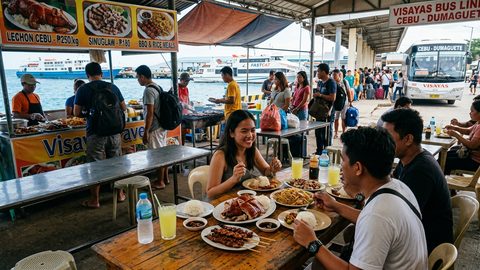 Eating Well at Philippine Ferry Ports and Bus Terminals in the Visayas
Puso, sinuglaw, and freshly fried chicharon at Cebu's Pier 1, the Ormoc bus depot, and Dumaguete's waiting sheds. A solo traveler's guide to Visayas transit food.
-
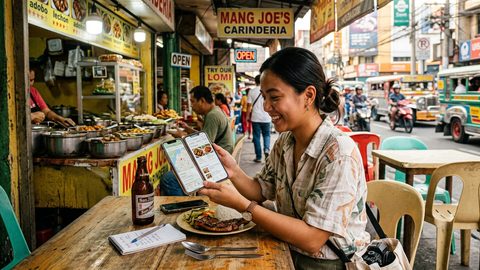 What I Research Before Eating in a Philippine City for the First Time
My pre-arrival research process for eating well in any Philippine city, from Dumaguete to Vigan, because every city eats differently.