Pampanga Food Trip Dishes Markets and a Practical Eating Route
A practical guide to Pampanga Food Trip Dishes Markets and a Practical Eating Route.
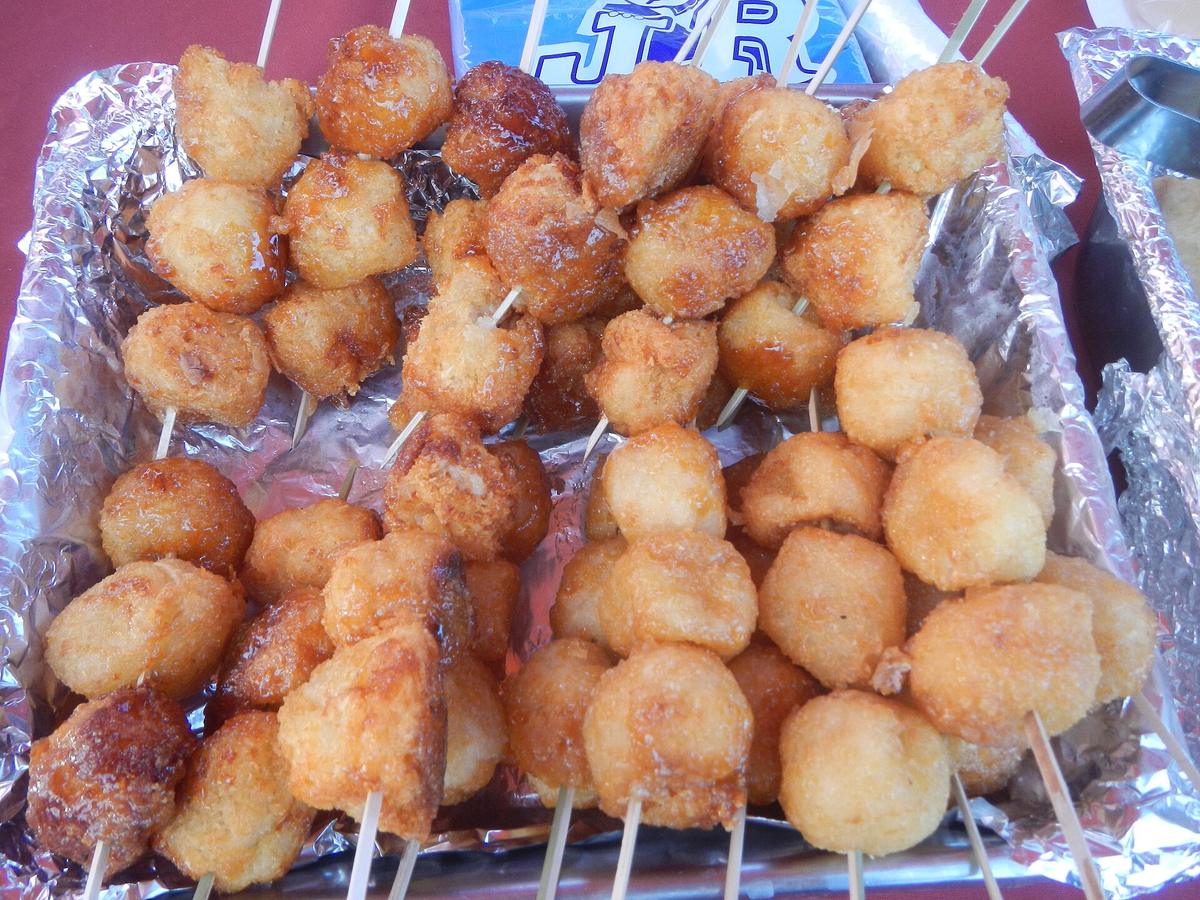

What makes Pampanga essential for a dedicated food trip
Pampanga occupies a singular place in Philippine food culture. The province is widely recognised as the Culinary Capital of the Philippines, a status formalised by the Philippine Senate through Senate Bill No. 2797, which passed unanimously on 9 December 2024. That legislative recognition rests on generations of Kapampangan cooks who turned home kitchens into enduring restaurants and roadside stalls into destinations. In 2024, Angeles City received the title of Asia's Best Emerging Culinary City Destination at the World Culinary Awards Gala Ceremony in Dubai, confirming that the region's reputation now extends well beyond the archipelago.
A food trip here rewards travellers who arrive with a plan. The province stretches across several municipalities, each with distinct specialties, and the highway network makes it possible to structure a route that moves logically from one flavour to the next. The North Luzon Expressway provides direct access to the key food destinations: Exit 15 serves San Fernando, Exit 16 serves Mexico, Exit 17 serves Angeles City, and Exit 18 at Dau connects to the SCTEX for Clark Freeport. Understanding these access points helps a visitor group stops by geography rather than doubling back.
What follows is a practical eating route built around verified dishes, markets and establishments. It does not attempt to list every restaurant in the province. Instead it traces a path that moves from heirloom cooking in Mexico through the public market in San Fernando, into the sisig heartland of Angeles City, out to the farm-table kitchens of Guagua and the freeport dining rooms of Clark, and back to the neighbourhood stores that earned Michelin recognition. Each stop is anchored in documented history, not rumour or algorithm-driven popularity.
Start with heirloom flavours in Mexico, Pampanga
A logical first stop after exiting NLEX at Mexico is Kusinang Matua ng Atching Lillian. The restaurant sits along Jose Abad Santos Avenue inside the ancestral home of food historian Lillian Lising-Borromeo. Its defining feature is a 200-year-old kitchen, and the experience is built around heirloom Kapampangan dishes prepared with techniques that predate modern restaurant cooking. Among the items served are handmade Panecillos de San Nicolas, the San Nicolas cookies pressed from antique wooden moulds.
This is a reservation-only al fresco restaurant. Because the research does not provide current operating hours or a fixed lead time for booking, anyone planning a visit should contact the restaurant directly at (045) 966-0211 to confirm availability and any menu constraints. The stop works best as a deliberate, unrushed beginning to a food trip rather than a quick meal between other destinations. The dishes here set a historical baseline against which the more contemporary flavours later in the route can be measured.


Browse the San Fernando City Market Plaza
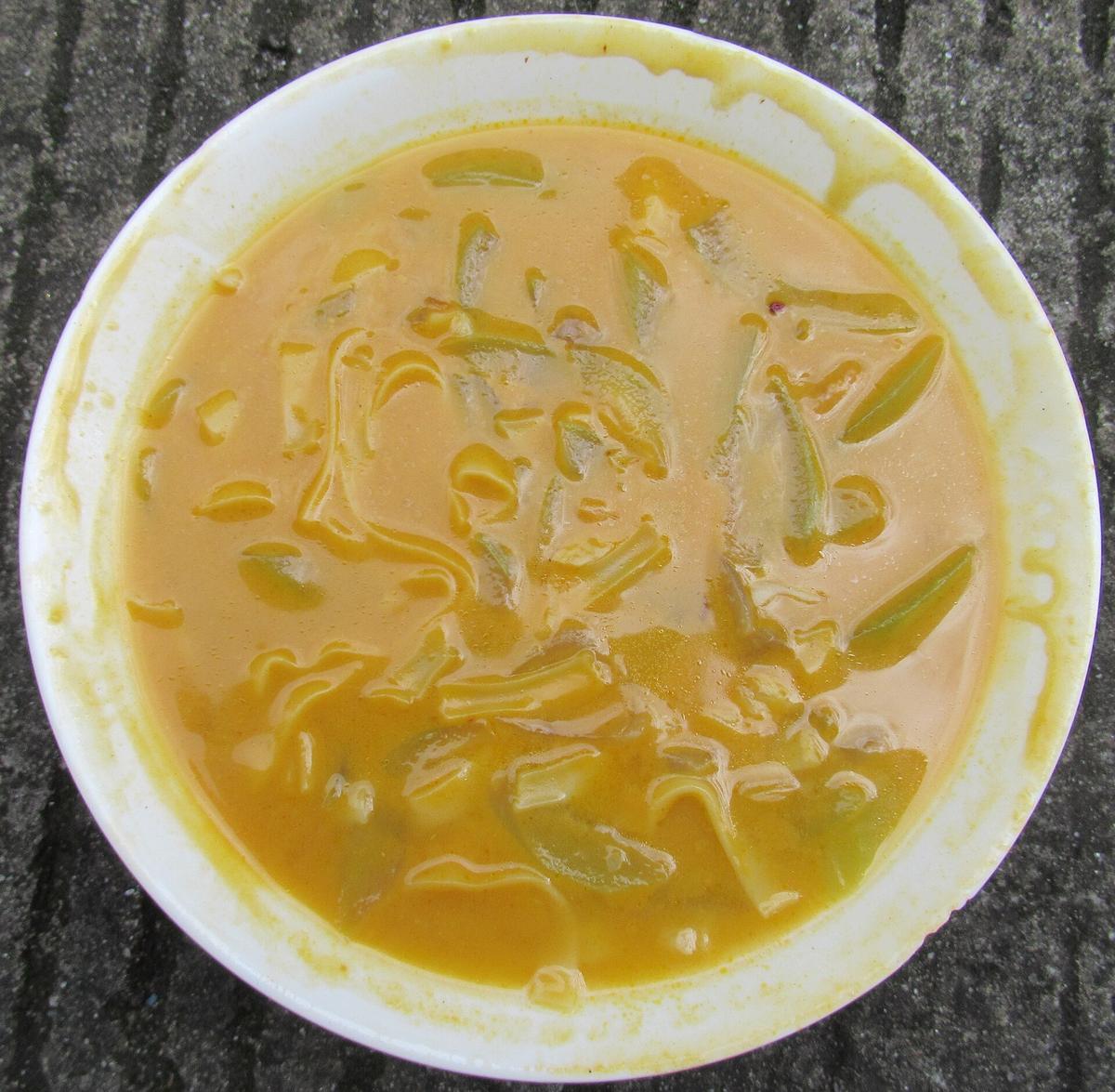
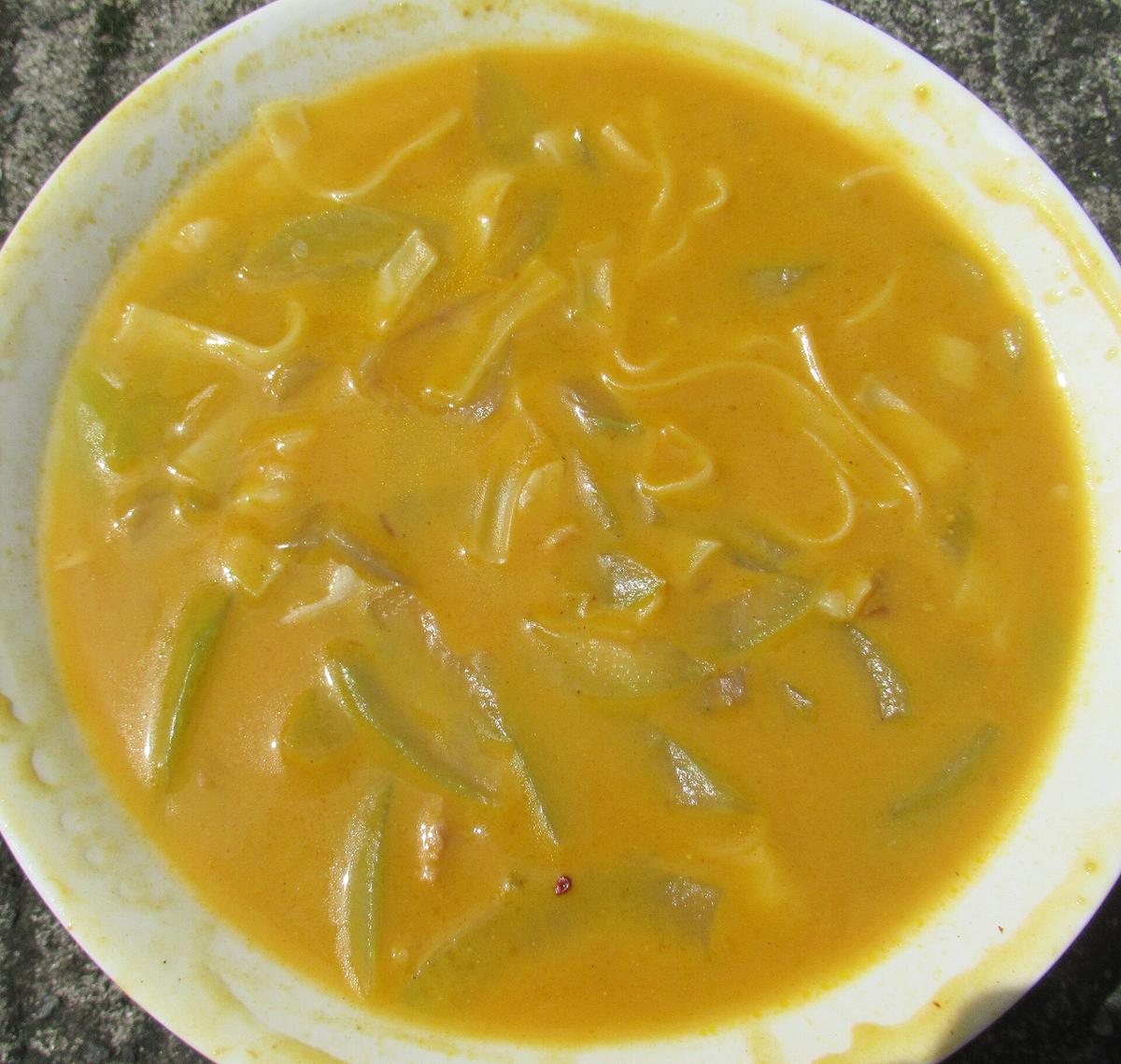
From Mexico, the route continues to San Fernando via NLEX Exit 15. The San Fernando City Market Plaza opened in September 2022 after a renovation budgeted at ₱250 million. The facility holds 550 market stalls across two floors on 1.1 hectares, with dedicated areas for fruit and vegetables, food stalls, and a pasalubong centre. For a traveller assembling a food trip, the market serves a dual purpose: it is a place to eat prepared Kapampangan snacks from vendors and a source for edible souvenirs such as bottled condiments, cured meats and regional sweets.
Market conditions and stall availability can shift. The City Government of San Fernando Information Office is the appropriate authority to check for current operating status before making a special trip. A visit here fits naturally between a morning meal in Mexico and the heavier savoury stops ahead in Angeles City. The pasalubong centre in particular allows a visitor to pack dry goods and preserves that will survive the drive home, leaving more room in the stomach for dishes meant to be eaten immediately.
Follow the sisig trail through Angeles City
Angeles City is the birthplace of modern sizzling sisig. The dish was invented in the mid-1970s by Lucia Cunanan, known as Aling Lucing, at her stall along the railroad crossing. Her method involved grilling a boiled pig's head, chopping it, and serving it with onions, calamansi and chilli on a hot plate. That stall evolved into Aling Lucing Sisig on Glaciano Valdez Street, which continues to serve sisig the traditional Kapampangan way, without egg and without mayonnaise.
Angeles City also holds two entries in the first Pampanga listings from the Michelin Guide Philippines, awarded in October 2026. Mila's Tokwa't Baboy on San Andres Street began as a neighbourhood sari-sari store run by Mila and Ruben Gomez. Its signature dish of crispy fried tofu, tender pig ears, fresh onions, celery and a calamansi-soy dressing was created when customers requested pulutan to accompany cold drinks. Michelin included it in the Selected category.
A visitor designing a route through Angeles City faces a choice. Aling Lucing offers historical primacy and a purist's version of sisig. Mila's offers a different centrepiece dish and the novelty of a Michelin nod earned by a former sari-sari store. The two are not interchangeable; they represent different chapters of the same food story. A determined eater can visit both in a single afternoon, but the portions are substantial and pacing matters.
Detour to Guagua for farm-table Kapampangan cooking
West of Angeles City, in Guagua along Jose Abad Santos Avenue, Apag Marangle received a Bib Gourmand distinction in the same 2026 Michelin Guide Philippines listing. The restaurant's name translates to "to set the table in the farm" in Kapampangan, and the menu reflects that agricultural identity. It serves over 70 dishes including betute (stuffed frog), adobong camaru (sautéed mole crickets), pindang damulag (cured carabao meat), and suam na mais (corn soup).
This is the stop on the route where a visitor confronts the full breadth of exotic Kapampangan cuisine in a single sitting. The menu size means a group can sample widely, but a solo diner should decide in advance whether to focus on the rare proteins or the more familiar comfort dishes. Contacting the restaurant at +63 922 888 0568 before visiting is advisable, as menu availability and hours are not fixed in the research and may change without notice.
Eat inside Clark Freeport and revisit a San Fernando classic
Clark Freeport, reached via NLEX Exit 18 at Dau and the SCTEX connector, houses Tito Boy restaurant at Pavilion 10, Clark Center, Jose Abad Santos Avenue. Tito Boy also earned a Bib Gourmand from Michelin in October 2026. Its menu is built around the concept of what a character named "Tito Boy" would cook for guests, and it includes crispy pata, sisig croquettes and beef Wellington. The restaurant represents a more contemporary, concept-driven approach to Kapampangan hospitality, distinct from the heritage kitchens and market stalls elsewhere on the route. Contact Tito Boy at +63 933 062 6156 for current hours and reservations.
Back in San Fernando, Everybody's Café has been operating continuously since 1946, founded by Benito Santos and Carmen Nogoy. It is one of the oldest restaurants in the province and is known for exotic Kapampangan dishes including camaru (sautéed mole crickets) and betute (stuffed frog). A traveller who skipped the exotic proteins at Apag Marangle can encounter them here in a setting that has served them for nearly eight decades. The restaurant's longevity is itself a piece of evidence: dishes that survive on a menu for that long have found a durable audience.
Structuring a practical one-day route
Geography dictates a logical sequence. A traveller coming from Manila on the NLEX encounters Mexico first, then San Fernando, then Angeles City, with Clark Freeport accessible via the Dau exit. A route that respects this order might begin with a reservation at Kusinang Matua ng Atching Lillian in Mexico, continue to the San Fernando City Market Plaza for browsing and snacking, proceed to Angeles City for sisig at Aling Lucing and tokwa't baboy at Mila's, then decide between heading west to Guagua for Apag Marangle or north to Clark for Tito Boy. Everybody's Café in San Fernando can serve as a final sit-down meal on the return journey toward Manila.
This is a demanding itinerary for a single day. A traveller who attempts every stop will eat heavily and spend significant time in transit between municipalities. An alternative approach splits the route across two days, with Mexico and San Fernando on the first, and Angeles City, Guagua or Clark on the second. The tradeoff is straightforward: a one-day blitz maximises variety at the cost of pace and appetite, while two days allow deeper attention to each dish but require an overnight stay.
NLEX toll rates are set by the Toll Regulatory Board and are subject to periodic adjustment. As of the February 2026 matrix, the Class 1 toll from Balintawak to San Fernando was ₱314, to Mexico ₱353, to Angeles ₱399, and to Dau ₱411. Readers should verify current rates directly with the Toll Regulatory Board before travel, as these figures are mutable and the research does not guarantee they remain accurate.
Sources and verification
- pna.gov.ph — Research source checked for this guide
- pia.gov.ph — Research source checked for this guide
- tourism.angelescity.gov.ph — Research source checked for this guide
- platediary.app — Research source checked for this guide
- newsinfo.inquirer.net — Research source checked for this guide
- abs-cbn.com — Research source checked for this guide
Read next
-

 When to Come to the Philippines the Dry Season and What Typhoon Season Means
The Philippines has two seasons on paper and many more in practice. Here is what typhoon season actually means for your trip, and when the Cebu weather really delivers.
-
 Getting Around the Philippines Ferries Budget Flights and the Jeepney Truth
From overnight ferries to budget flight roulette and the jeepney routes you actually need, here is how moving between Philippine islands really works.
-
 What the Philippines Costs From Someone Who Actually Lives Here
Philippines travel budgets online swing wildly. Here is what daily life actually costs, from carinderia meals to inter-island ferries, priced by someone who lives here.
-
 Solo Travel in the Philippines What It Is Actually Like Day by Day
Solo travel in the Philippines is not all palm trees and new friends. Here is the honest daily reality, from eating alone in Cebu City to the kindness of strangers on a long bus ride.
-
 Batanes Regional Food and the Honest Truth About Getting There
Honest guide to Batanes food: uvud, coconut crab, pangasi, real prices, and why your flight might board a different plane than expected.
-
 Eating Well at Philippine Ferry Ports and Bus Terminals in the Visayas
Puso, sinuglaw, and freshly fried chicharon at Cebu's Pier 1, the Ormoc bus depot, and Dumaguete's waiting sheds. A solo traveler's guide to Visayas transit food.
-
 What I Research Before Eating in a Philippine City for the First Time
My pre-arrival research process for eating well in any Philippine city, from Dumaguete to Vigan, because every city eats differently.